

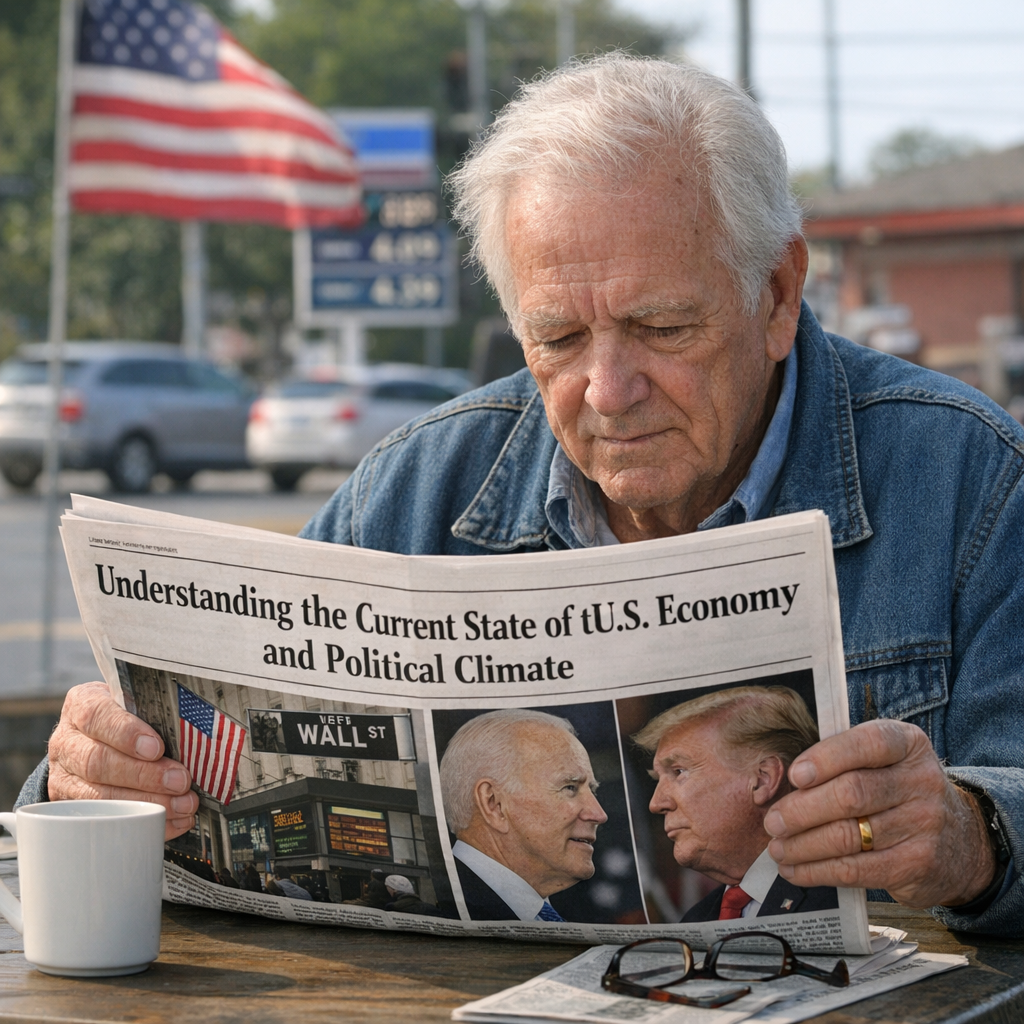
The United States is currently experiencing a complex economic and political environment, marked by various challenges and developments that have garnered international attention.
Economic Overview
Recent data indicates a slowdown in economic growth. The U.S. economy expanded at a sluggish 0.7% annual rate in the fourth quarter, influenced by factors such as a 43-day government shutdown. Additionally, wholesale prices surged by 4% last month, complicating the Federal Reserve’s efforts to manage inflation. These economic indicators suggest a period of uncertainty for the U.S. economy.
Political Climate
On the political front, a Gallup poll reveals that approximately one-third of Americans view politics and government as the nation’s most pressing issues. This level of concern is notably higher than in most other wealthy democracies, reflecting deep-seated anxieties about the health of the U.S. political system.
Furthermore, the Trump administration has been actively involved in various policy decisions, including the appointment of a new Federal Reserve chair and the implementation of new tariffs. These actions have significant implications for both domestic and international economic relations.
Implications for Denmark
For Denmark, these developments in the U.S. are particularly relevant. The U.S. is a key trading partner, and shifts in its economic policies can have direct effects on Danish exports and imports. Additionally, political instability in the U.S. may influence global markets, affecting Danish investments and economic strategies.
Staying informed about these trends is crucial for Danish businesses and policymakers to navigate the potential impacts on our economy and international relations.