

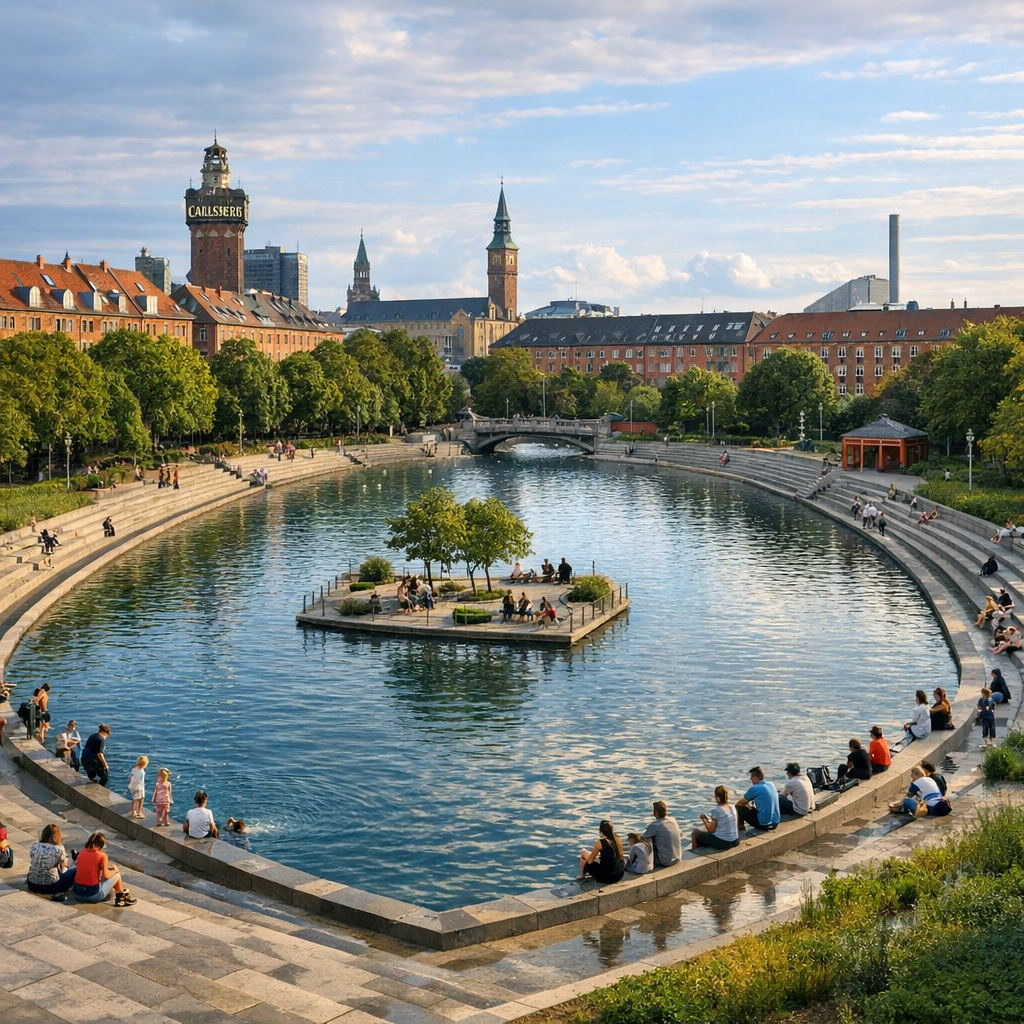
Copenhagen has long been recognized as a leader in urban sustainability, setting ambitious goals to combat climate change and enhance the quality of life for its residents. The city’s commitment is evident in its comprehensive climate strategies and innovative initiatives.
Climate Strategies and Goals
In 2012, Copenhagen adopted the CPH 2025 Climate Plan, aiming to become the world’s first carbon-neutral capital by 2025. This plan focuses on four key areas: energy consumption, energy production, mobility, and city administration initiatives. The city has made significant progress, achieving a 42% reduction in emissions since 2005, while also experiencing a 24% economic growth during the same period.
Building on this foundation, the City Council approved the Climate Strategy 2035 in September 2025. This new strategy sets even more ambitious targets, including achieving climate positivity by 2035 and halving per capita global CO₂ emissions associated with Copenhageners’ consumption by 2035 compared to 2019 levels. The strategy emphasizes collaboration among citizens, businesses, and the municipality to address both local and global climate impacts.
Innovative Adaptation Measures
Recognizing the challenges posed by climate change, Copenhagen has implemented innovative adaptation measures to protect the city from extreme weather events. For instance, Enghaveparken, a historic park, was redesigned to function as a massive reservoir during heavy rainfall, mitigating flood risks. This transformation is part of a broader plan to create ‘sponge parks’ and underground tunnels to manage increased rainfall, which is projected to rise by 30% by the end of the century.
Encouraging Sustainable Behavior
To promote eco-friendly behavior among residents and visitors, Copenhagen introduced the CopenPay initiative. This program rewards individuals for making sustainable choices, such as biking instead of driving or participating in urban farming. Participants can earn free or discounted local experiences, fostering a culture of environmental responsibility.
Additionally, the city encourages sustainable practices through various initiatives, including promoting cycling, waste sorting, and supporting local, seasonal food consumption. These efforts align with Copenhagen’s goal of combining growth, development, and increased quality of life with CO₂ reductions.
Looking Ahead
Copenhagen’s proactive approach to climate change serves as a model for cities worldwide. By setting ambitious targets, implementing innovative solutions, and engaging the community, the city demonstrates that urban development and environmental sustainability can go hand in hand. As Copenhagen continues on its path toward climate positivity, it offers valuable lessons in resilience and sustainable living.