

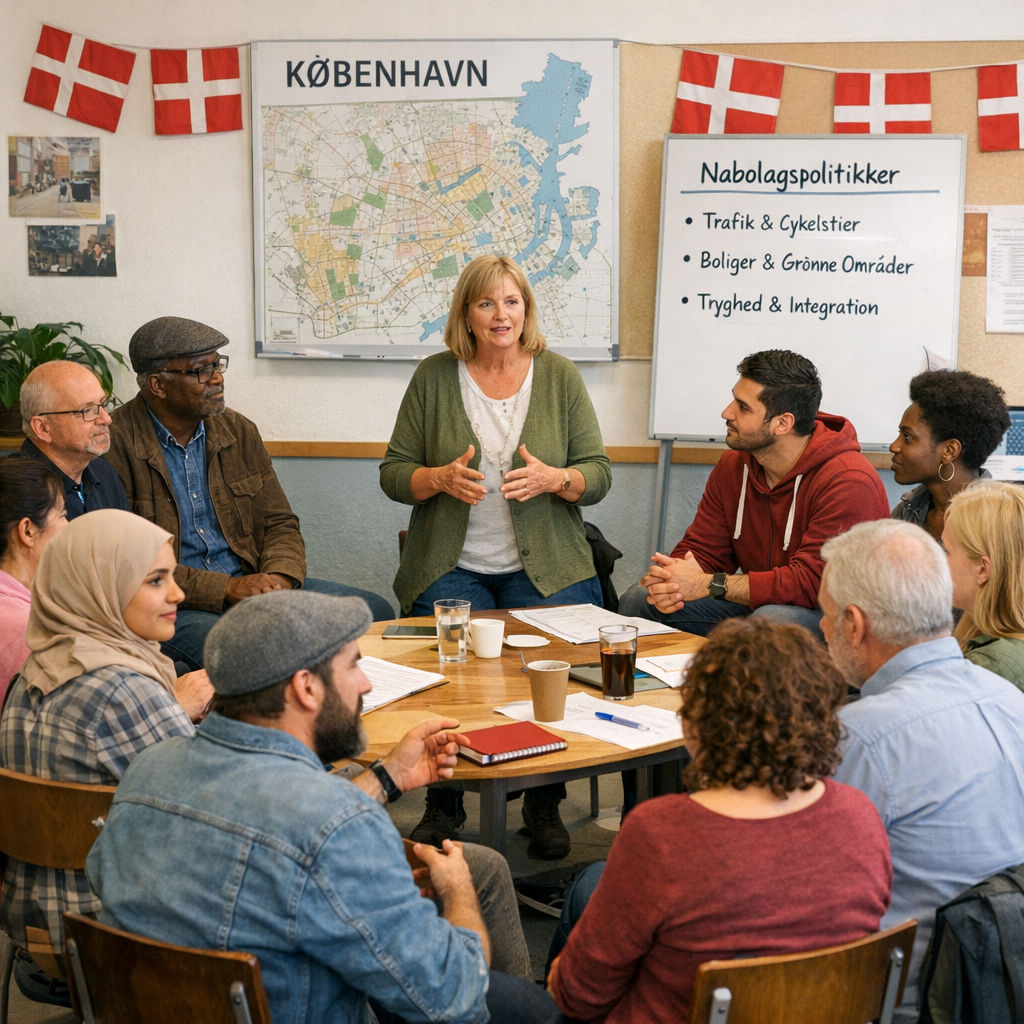
In recent years, Copenhagen’s ‘ghetto list’ policy has ignited significant debate among residents and policymakers. This initiative, aimed at identifying and transforming areas with high concentrations of non-Western immigrants and socio-economic challenges, has led to both legal challenges and community discussions on integration and discrimination.
Understanding the ‘Ghetto List’
Since 2010, the Danish government has published an annual list of neighborhoods labeled as ‘ghettos’ based on criteria such as employment rates, education levels, income, and the percentage of residents from non-Western backgrounds. Areas meeting these criteria are subject to specific policies intended to promote integration and reduce segregation.
Community Perspectives
Residents of neighborhoods like Mjølnerparken in Nørrebro have expressed concerns about the implications of this policy. Some argue that the label stigmatizes communities and overlooks the positive aspects of these neighborhoods. Legal challenges have been mounted, with residents contending that the policy’s demographic targets amount to discrimination.
Legal Challenges
A landmark legal case is currently pending, questioning whether efforts to dismantle so-called ‘parallel societies’ have crossed into unlawful discrimination. The outcome of this case could have significant implications for Danish integration policies and the future of affected neighborhoods.
Moving Forward
As Copenhagen continues to grapple with these complex issues, it is crucial for policymakers to engage with community members to develop solutions that promote integration without fostering division. Balancing the goals of social cohesion and respect for diverse communities remains a central challenge for the city.