

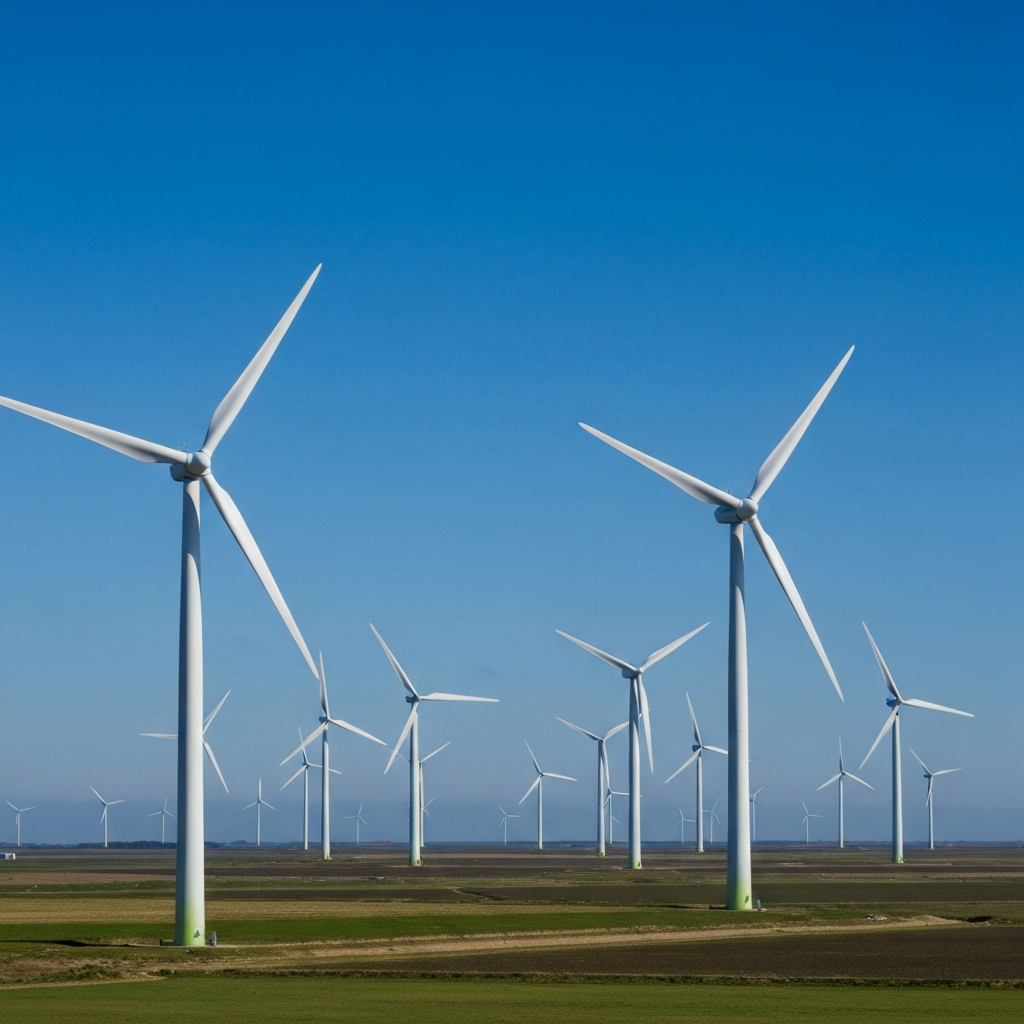
Denmark has long been recognized as a pioneer in environmental stewardship, implementing progressive policies to combat climate change. The nation’s commitment is exemplified by its legally binding targets: a 70% reduction in greenhouse gas emissions by 2030 compared to 1990 levels, and achieving climate neutrality by 2050. These goals are enshrined in the Climate Act passed by the Danish Parliament in 2020.
Comprehensive Climate Strategies
To realize these ambitious targets, Denmark has adopted a multifaceted approach. The 2022 Green Tax Reform and the 2024 Green Tripartite Agreement have expanded carbon pricing mechanisms, notably including the agricultural sector—a first among OECD countries. This inclusion is significant, as agriculture accounts for a substantial portion of Denmark’s emissions. By taxing greenhouse gas emissions from livestock production and incentivizing sustainable practices, Denmark aims to mitigate environmental impacts while supporting its agricultural community.
Global Engagement and Influence
Denmark’s influence extends beyond its borders through active participation in international climate initiatives. The nation’s Global Climate Action Strategy, titled ‘A Green and Sustainable World,’ outlines efforts to elevate global climate ambitions, reduce worldwide greenhouse gas emissions, and promote sustainable development. This strategy emphasizes collaboration with other nations, multilateral organizations, and civil society to drive a socially just green transition that fosters economic growth and reduces inequality.
Innovations in Renewable Energy
Denmark’s energy sector transformation is particularly noteworthy. The country boasts the highest share of wind electricity among International Energy Agency (IEA) member countries, with wind power contributing 54% to the national power mix. Combined with bioenergy and solar photovoltaic sources, renewable energy accounts for 81% of Denmark’s electricity production. This shift has significantly reduced reliance on fossil fuels, positioning Denmark as a leader in renewable energy adoption.
Carbon Capture and Storage Initiatives
Recognizing the challenges in fully eliminating emissions from certain industrial and energy sectors, Denmark is investing in carbon capture and storage (CCS) technologies. By capturing CO₂ emissions from industrial processes and securely storing them underground, CCS serves as a critical tool in Denmark’s strategy to achieve climate neutrality. Additionally, capturing and storing biogenic CO₂ from biomass can result in negative emissions, further contributing to global climate mitigation efforts.
Monitoring and Reporting
Transparency and accountability are central to Denmark’s climate policies. The annual Global Report assesses the nation’s global climate impact, analyzing how Danish consumption, authorities, and businesses influence greenhouse gas emissions and uptake beyond national borders. This comprehensive evaluation ensures that Denmark’s domestic actions align with its international commitments and provides a model for other countries to follow.
Denmark’s holistic and proactive approach to climate change serves as an inspiring example for the global community. By integrating ambitious targets, innovative policies, and international collaboration, Denmark demonstrates that economic growth and environmental sustainability can go hand in hand.