

By Maja Jensen
Walk down any street in Copenhagen and you’ll see signs of AI working behind the scenes. Whether it’s your favorite app suggesting your next purchase, devices in your home getting smarter, or new tools reaching your workplace—artificial intelligence is quietly becoming part of our daily lives. But what do these changes actually mean for us?
AI Behind the Device
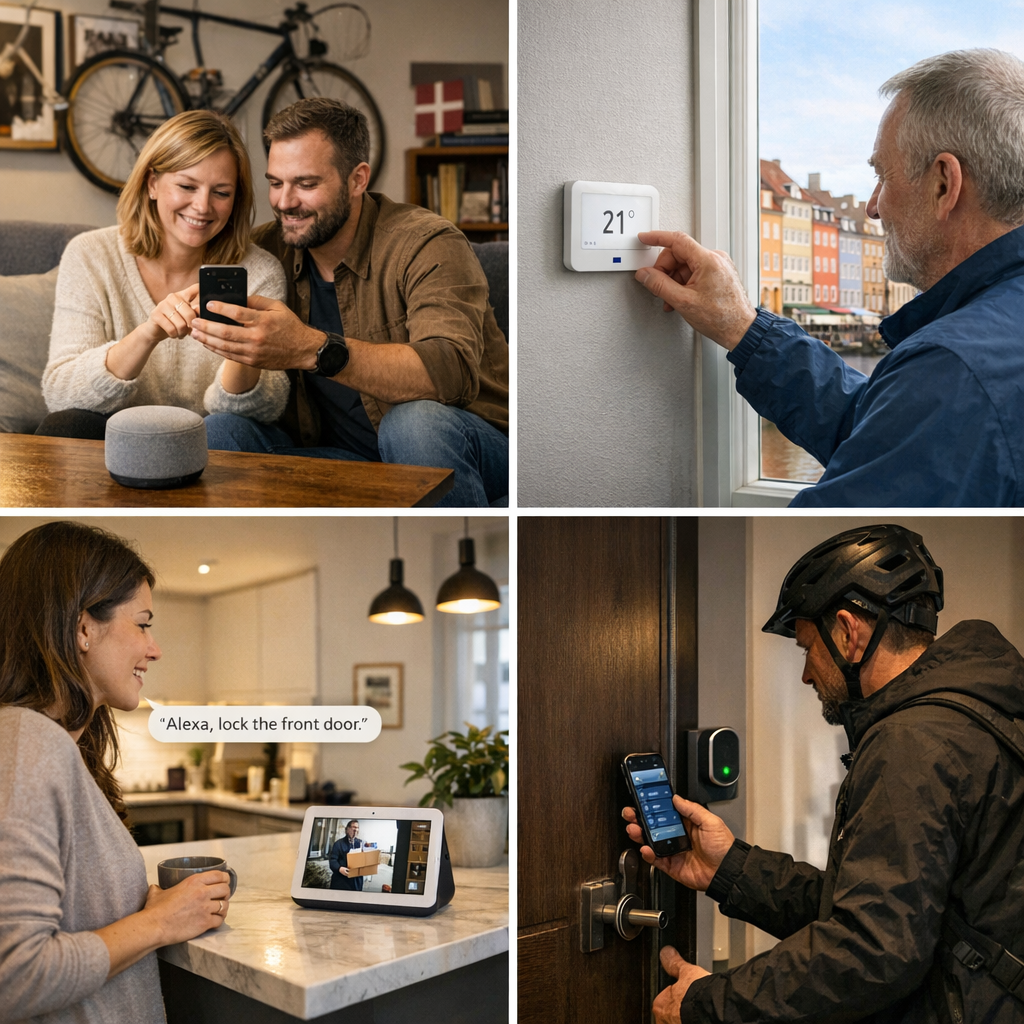
Rundown of statistics shows just how immersed we are. In 2025, one third of Danish people used AI tools weekly for private tasks—double from a few years earlier—with usage nearly equal for men and women. Meanwhile, smart-home tech is being adopted steadily: voice assistants, connected devices, and gadgets that automate routines are cropping up in homes across Copenhagen. Small scale, but unmistakable.
Work, Tools and Gaps
At work, the story is more mixed. Companies have made AI tools available in many departments, but fewer of us have clear guidelines, training, or strategic direction for using them well. Research shows that people often feel they are just experimenting with AI rather than using it confidently. Where supervisors encourage AI use, usage soars—but in teams without that drive, many hover at low engagement.
Trust, Risks and Citizen Views
Despite growing use, trust in AI isn’t automatic. In fields like health, law, and public services, many Danes remain cautious. Concerns about misinformation, misuse of personal data, and whether machines can make ethical judgments persist. Most people agree: AI should support human decision-making—not replace it.
Startups, Innovation Spaces and What’s Coming Next
Copenhagen’s startup scene is buzzing with new ideas that bring AI into physical gadgets, health tech, and sustainability. Innovation hubs such as Symbion and DTU Science Park are spawning companies building medical wearables, home-automation systems, and AI tools for wellbeing. These emerging technologies are bringing experimental AI into everyday objects—from mood sensing to personalized assistants.
What It Means for You
If you live in Copenhagen, you’re likely already using AI more than you realize. Conversations with colleagues or support from your employer can make a real difference in how confidently you use these tools. At home, take advantage of new gadgets—but stay aware of privacy policies and data-usage features. And as new products emerge, keep asking: who designs them, how they work, and what trade-offs are involved?
Your AI-savvy Checklist
- Check whether your employer offers training or guidance—that helps turn tools into real helpers.
- When buying a smart device, read its data and security terms—it matters more than flashy design.
- Talk about AI at home—share tips and concerns so you make informed choices.
- Stay curious—new startups are trying clever ideas all the time; some will improve your life, others will raise questions.